

Abuja — In a dramatic escalation of the ongoing healthcare crisis, the Federal Government has insisted that the ongoing industrial action by the National Association of Resident Doctors (NARD) stems from deep structural and policy constraints, not government neglect, according to statements from senior health officials this week.
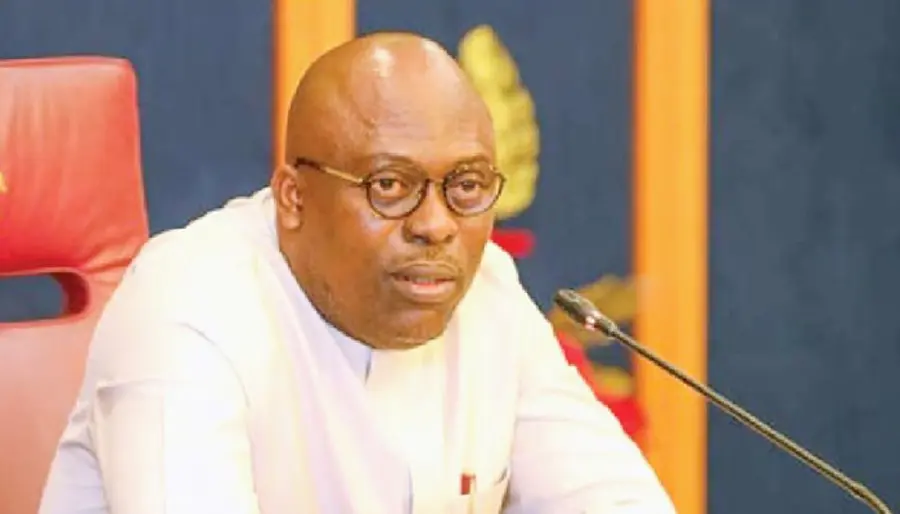
Speaking during a live interview on the AIT Kaakaki programme, Dr. Iziaq Adekunle Salako, Minister of State for Health and Social Welfare, rejected claims that the government had ignored doctors’ concerns. Instead, he attributed the standoff to systemic challenges within the health sector and existing public service regulations that he says make some demands difficult to implement immediately.
To demonstrate commitment to industrial peace and better working conditions, the government approved a significant ₦90 billion annual increase in health workers’ allowances in November 2025 — covering call duty, shift duty, rural posting and other allowances — a move highlighted by both The Will News and TVC News as a major step toward resolving disputes.
Dr. Salako explained that past negotiations were fragmented, leading to conflicting pay deals and repeated strikes. The government has since adopted a collective bargaining approach, bringing doctors, nurses, lab scientists and other health professionals to the table together to streamline future talks.
However, NARD has rejected the government’s narrative that progress has been made, with previous reports from The Nation showing that doctors dismissed official claims of fulfilled demands and vowed to sustain nationwide strike
As hospitals nationwide continue to grapple with the effects of disrupted services, millions of Nigerians — especially the vulnerable — await a breakthrough that could avert further strain on the country’s already fragile health system.